
A Traditional Chinese Medicine Perspective
What does it mean to live well, age well, and support our health throughout our natural lifespan?
It may sound like a very modern question. Yet it is something Chinese medicine has been considering for more than two thousand years.
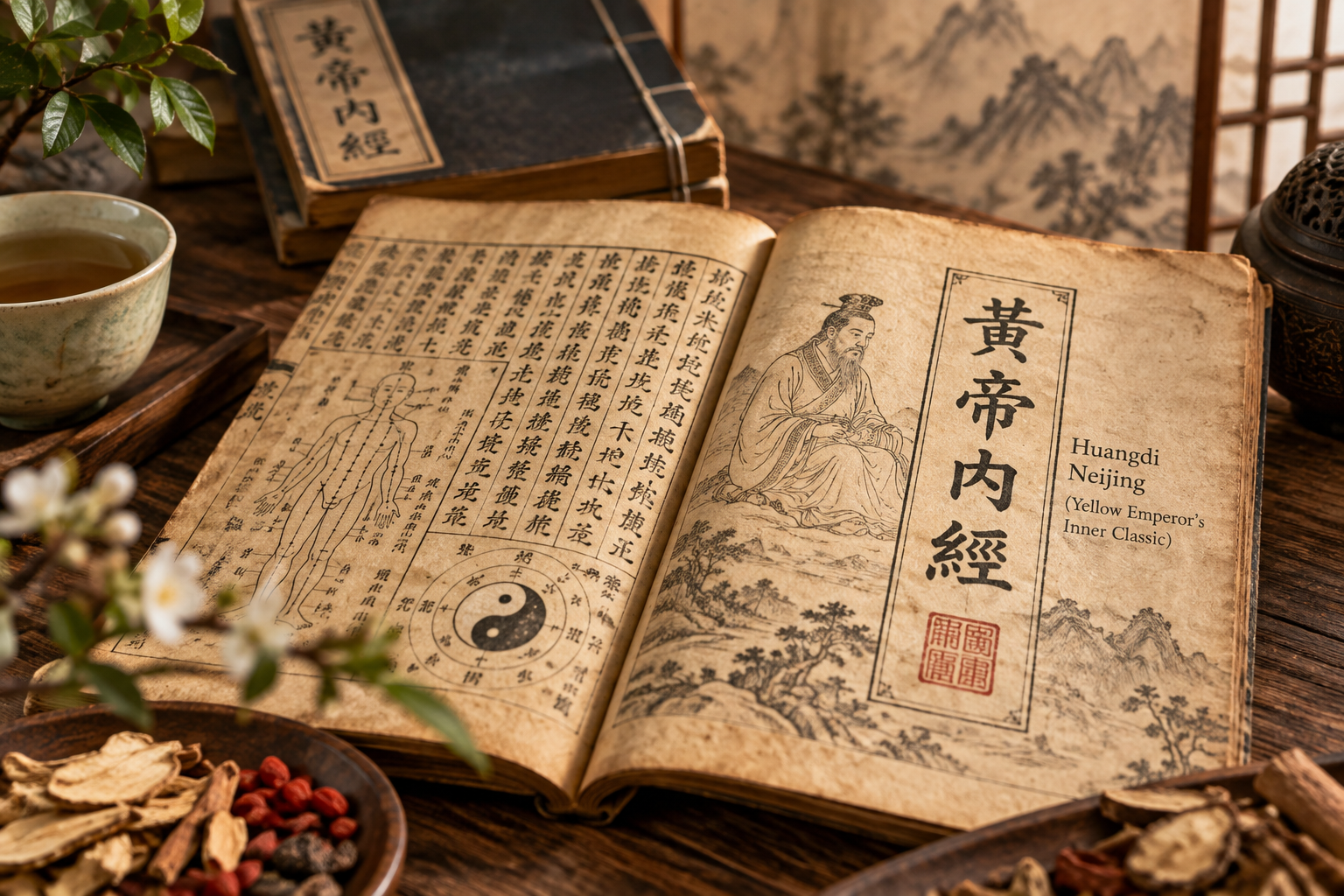
One of the foundational texts of Chinese medicine, the Huangdi Neijing (Yellow Emperor's Inner Classic), discusses how people in ancient times lived in accordance with natural rhythms, ate and drank with moderation, maintained regularity in their daily lives, and avoided unnecessary exhaustion.
The text associates these principles with maintaining health and completing one's natural lifespan.
This brings us to an important concept in Traditional Chinese Medicine: Yang Sheng (养生) — commonly translated as nourishing life or cultivating health.
An Ancient Approach to Living Well
The Huangdi Neijing (Yellow Emperor’s Inner Classic) is one of the foundational texts of Chinese medicine, with roots stretching back more than two thousand years.
Within its teachings is an idea that remains remarkably relevant today: health is not only something to think about when illness appears. How we live each day matters.
What is Yang Sheng?
Chinese medicine isn't concerned only with what happens once we become unwell.
There is also a longstanding emphasis on how we live while we are well.
Yang Sheng encompasses everyday practices that traditionally supported health across the lifespan: how we eat, sleep, move, breathe, work, rest and respond to the seasons and our environment.
The principle isn't about trying to control every aspect of health.
Nor does it mean that following the “right” lifestyle can prevent every illness.
Instead, it encourages us to create conditions that support the body's normal functioning and wellbeing throughout life.
Interestingly, many of these ancient principles are remarkably simple.
1. Respect the body's need for sleep
Yang — activity, movement and wakefulness — and Yin — quietness, restoration and rest.
Sleep isn't wasted time.
In Chinese medicine, our lives naturally move between periods of Yang — activity, movement and wakefulness — and Yin — quietness, restoration and rest.
Constantly pushing through tiredness can disrupt that rhythm.
Modern research has also established the importance of sleep for many aspects of physical and mental health.
Rather than viewing sleep as something we squeeze in after everything else is finished, protecting adequate and regular sleep can be one of the foundations of living well.
2. Begin the day with natural light
Our bodies evolved in relationship with the natural cycle of light and darkness.
Chinese medicine traditionally places considerable importance on living in accordance with natural rhythms.
Getting outside and experiencing daylight, particularly earlier in the day, is a very simple way of supporting our daily rhythm.
Modern science approaches this through our understanding of circadian rhythms, while Chinese medicine describes the movement between Yin and Yang.
Different language, perhaps—but both remind us that the body has rhythms worth respecting.
3. Nourish yourself without overwhelming your digestion
Chinese dietary therapy doesn't prescribe one perfect diet for everybody.
Instead, food is considered in relation to the individual.
One person may thrive on foods that leave another feeling bloated, heavy or uncomfortable.
Chinese medicine places particular importance on the functional relationship of the Spleen and Stomach, which are associated with receiving food and transforming it into nourishment.
For some people, particularly when digestion feels weak, regular meals and easily digested cooked foods such as soups, stews and porridge may feel more supportive than constantly eating cold, raw or highly processed foods.
The important principle is not restriction.
It is nourishment with moderation.
4. Keep the body moving
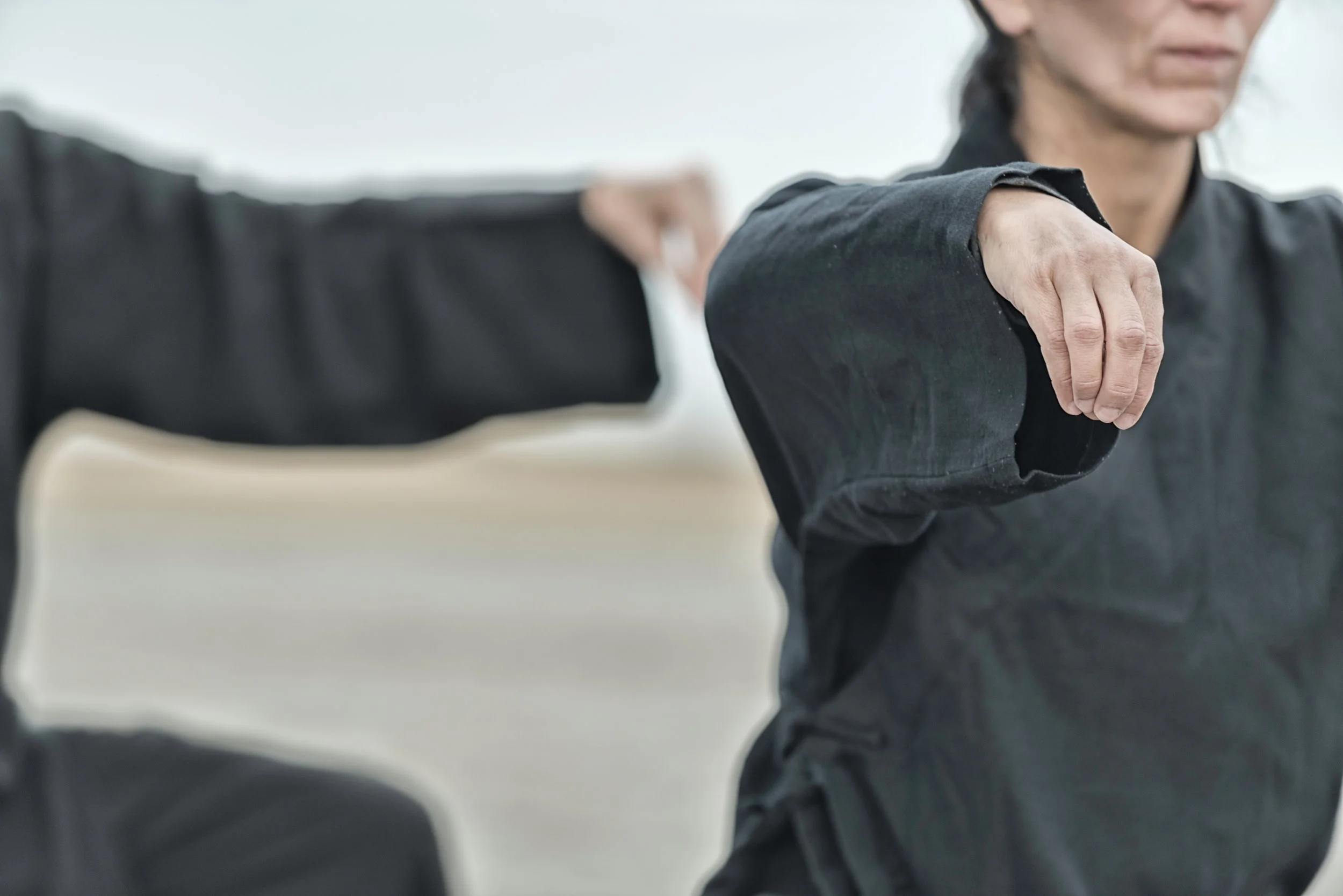
Smooth movement of Qi
You don't necessarily need to exercise intensely every day.
Walking, stretching, gardening, gentle exercise and Qi Gong all count as movement.
Chinese medicine frequently talks about the importance of the smooth movement of Qi.
When we spend long periods sitting, particularly when combined with stress, many of us recognise the physical consequences: stiffness, tight shoulders, a tense jaw, restlessness or simply feeling “stuck.”
Even a gentle walk after eating can be a useful everyday practice.
The goal isn't always to push the body harder.
Sometimes it is simply to keep it moving.
5. Drink according to your body's needs
Hydration is important, but more isn't automatically better.
Chinese medicine considers thirst, digestion, temperature, urination, climate, activity and the individual's overall presentation rather than prescribing exactly the same drinking habits for everyone.
For some people, sipping fluids regularly feels much more comfortable than consuming very large quantities at once.
Again, the principle is balance rather than excess.
6. Make space for breathing
We breathe thousands of times every day, usually without thinking about it.
Yet breathing is also something we can consciously influence.
Practices such as Qi Gong combine breathing, gentle movement, posture and awareness.
You don't need a complicated breathing technique.
Simply spending a few minutes allowing the breath to become slower, quieter and more comfortable can provide a moment of stillness in an otherwise busy day.
7. Allow yourself periods of quiet
We live in an extraordinarily stimulating world.
Phones, emails, work, television, social media and notifications can mean that even when our bodies stop moving, our minds remain occupied.
Rest doesn't necessarily mean sleeping.
Sometimes it means not doing.
Sit outside. Take a quiet walk. Practise Qi Gong. Read. Drink a cup of tea without your phone.
Chinese medicine has always recognised that health involves an appropriate relationship between activity and rest.
We need both.
8. Pay attention to temperature and the seasons
Chinese medicine traditionally places considerable importance on our relationship with the environment.
Someone who naturally feels cold may have different needs from someone who frequently feels hot.
Our needs may also change with the seasons.
This doesn't mean we should fear cold weather or rigidly follow seasonal rules.
It simply means noticing.
Do you feel better with warming foods in winter? Do you naturally need more rest during darker months? Does excessive heat affect your sleep or energy?
Part of Yang Sheng is learning to observe these relationships.
9. Don't forget emotional health
Chinese medicine has long considered emotional and physical wellbeing to be interconnected.
That doesn't mean illness is caused by having the “wrong” emotions.
Sadness, worry, anger, fear and grief are normal parts of being human.
But prolonged stress can affect how we sleep, eat, digest, breathe and move.
Connection, laughter, creativity, nature, meaningful relationships and doing things we genuinely enjoy are therefore not frivolous additions to health.
They are part of living.
10. Learn to listen to your own body

Perhaps this is the most important principle of all.
Chinese medicine is highly individualised.
Two people may both experience fatigue, headaches, digestive problems, anxiety or poor sleep, yet from a Chinese medicine perspective their underlying patterns may be quite different.
That's why there cannot be one perfect diet, exercise routine or wellness programme for everybody.
Start noticing your own patterns.
When is your energy strongest?
What affects your sleep?
Which foods leave you feeling nourished and which leave you uncomfortable?
Do you function better with warmth or coolness?
What happens physically when you're under prolonged stress?
Your body communicates constantly.
Learning to notice is part of learning to care for it.
Preserving health isn't about living perfectly
Perhaps one of the most useful lessons we can take from Yang Sheng is that health doesn't have to become another task we must perform perfectly.
The ancient principles are surprisingly ordinary:
Eat well.
Sleep.
Move.
Rest.
Breathe.
Moderate excess.
Pay attention to your body.
Make room for enjoyment.
The goal isn't to guarantee that illness will never occur. Genetics, environment, circumstances, disease and many other factors influence health.
Rather, Yang Sheng gives us a framework for thinking about how our everyday lives may support wellbeing across the lifespan.
More than two thousand years after the Huangdi Neijing discussed moderation, regularity and preserving one's natural lifespan, perhaps its central question remains relevant:
How can we live in a way that supports the body—not only when something goes wrong, but throughout our lives?
That, perhaps, is the real art of nourishing life.
This article is for general educational purposes and does not replace individual medical advice, diagnosis or treatment. New, persistent, worsening or concerning symptoms should be appropriately medically assessed.