
Why Are My Ears Ringing? Understanding Tinnitus Through Chinese Medicine
Ringing, buzzing, humming, hissing or whooshing in the ears can be incredibly frustrating.
For some people, tinnitus is relatively mild and only noticeable when everything becomes quiet.
For others, it can interfere with sleep, concentration and everyday life.
And sometimes it appears alongside other symptoms that may initially seem completely unrelated:
fatigue
dizziness
headaches
poor sleep
stress or anxiety
neck and shoulder tension
feeling depleted
irritability
digestive problems
lower back weakness
hormonal changes
In Traditional Chinese Medicine (TCM), these accompanying symptoms matter.
Rather than looking at tinnitus as one isolated problem, Chinese Medicine asks a different question:
What pattern is happening in the body around the tinnitus?
That is important because two people can experience very similar ringing in their ears while having completely different underlying TCM patterns.
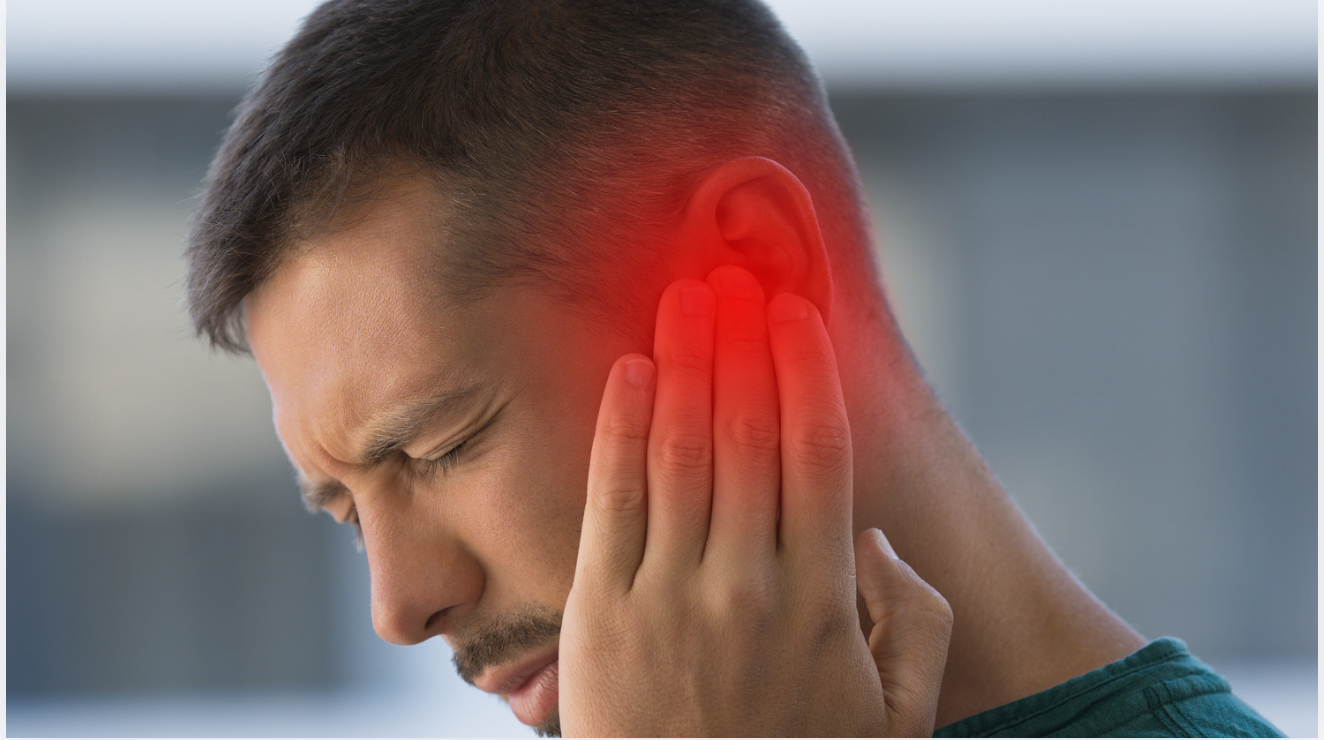
Tinnitus is the perception of sound when there is no corresponding external sound.
First: What Is Tinnitus?
Tinnitus is the perception of sound when there is no corresponding external sound.
People describe it in many different ways:
ringing
buzzing
humming
whistling
hissing
clicking
roaring
pulsing
high-pitched tones
low-frequency sounds
It may affect one ear or both.
It can be constant or intermittent.
And the intensity can sometimes change depending on stress, tiredness, sleep, illness or other factors.
From a conventional medical perspective, tinnitus is a symptom rather than a disease itself, and it can have many possible causes.
That distinction is important.
Chinese Medicine also looks for patterns underlying the symptom, although it describes those patterns using a very different medical framework.
How Does Chinese Medicine Understand Tinnitus?
Tinnitus that develops gradually with ageing or long-term depletion may be interpreted differently from tinnitus that appears suddenly during a period of intense stress.
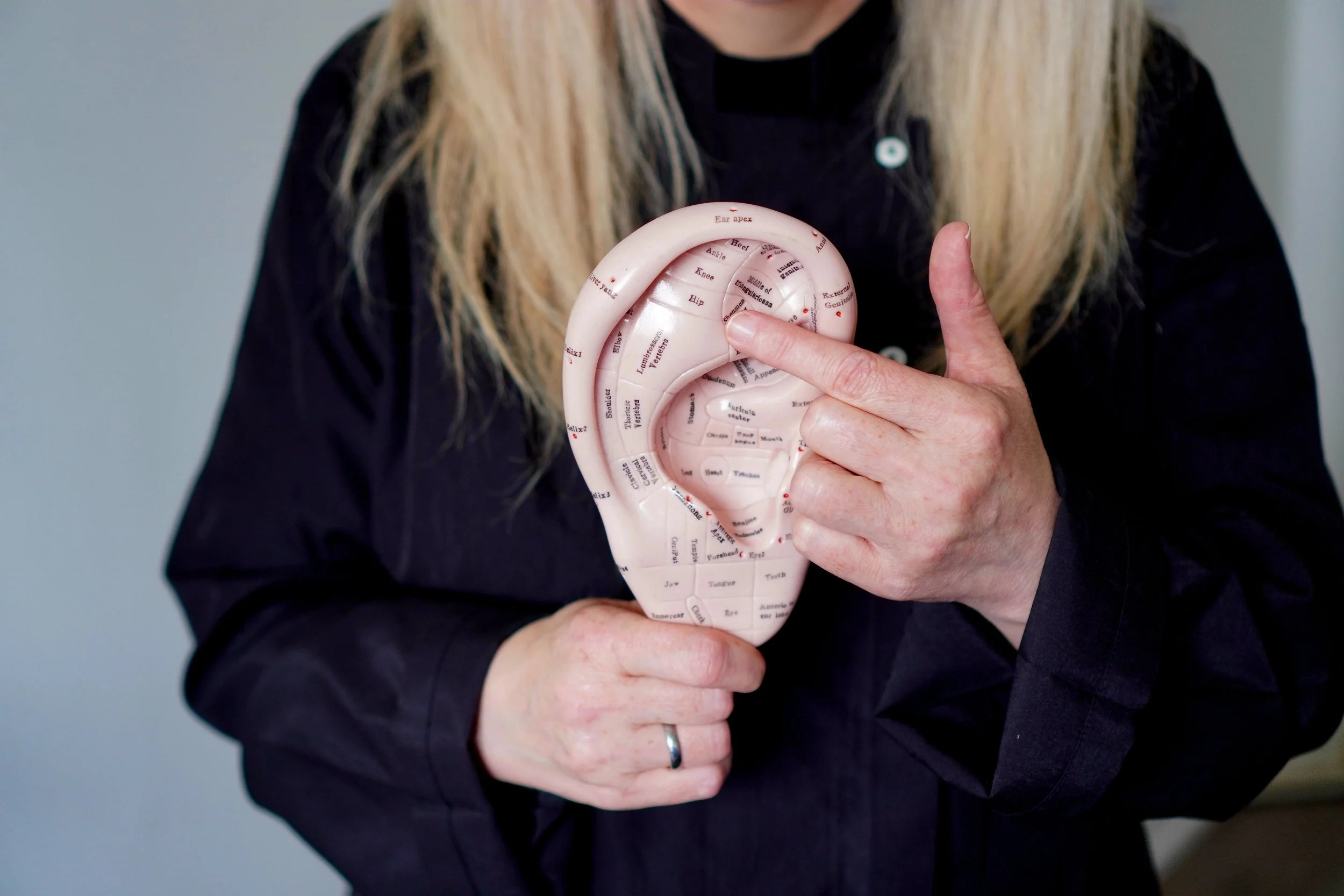
In TCM, the ears have an important relationship with the Kidney system.
But this does not mean that somebody with tinnitus has kidney disease.
The TCM concept of the Kidneys is broader than the anatomical kidneys used in Western medicine. It relates to areas such as constitutional vitality, ageing, reproduction, development and the body's deeper reserves.
This is why tinnitus that develops gradually with ageing or long-term depletion may be interpreted differently from tinnitus that appears suddenly during a period of intense stress.
The Liver, Gallbladder, Spleen and digestive system may also be relevant depending on the person's presentation.
So there is no single Chinese Medicine diagnosis called simply "tinnitus."
We look at the whole pattern.
Tinnitus With Exhaustion and Depletion
One pattern I pay attention to is tinnitus occurring alongside significant fatigue or long-term depletion.
The person may also describe:
low energy
weak or aching lower back
poor recovery
dizziness
feeling generally depleted
reduced resilience
disrupted sleep
gradual changes associated with ageing
In Chinese Medicine, this may suggest that the deeper nourishing systems of the body need support.
Depending on the individual, this can involve concepts such as Kidney Qi, Kidney Yin, Kidney Yang or Essence (Jing).
These are not interchangeable diagnoses.
The other symptoms, tongue, pulse, age, health history and nature of the tinnitus all help determine the pattern.
Tinnitus With Stress, Tension and Irritability
There is another very different presentation.
The tinnitus may become noticeably louder when someone is:
stressed
angry
frustrated
overwhelmed
sleep deprived
mentally overstimulated
They may also experience:
headaches
temple pressure
jaw tension
tight shoulders
irritability
restless sleep
difficulty switching off
feeling hot or agitated
In TCM terminology, patterns involving Liver Qi stagnation, rising Yang or internal Heat may sometimes be considered.
This is quite different from somebody whose tinnitus accompanies profound tiredness and depletion.
The symptom may be similar.
The pattern underneath may not be.
Tinnitus, Dizziness and Head Symptoms
Some people experience tinnitus alongside:
dizziness
a heavy or foggy head
nausea
ear fullness
poor concentration
a feeling of pressure
From a Chinese Medicine perspective, this may lead us to consider whether Dampness or Phlegm is contributing to the overall pattern.
Again, these are traditional diagnostic concepts.
In TCM, Dampness describes a pattern where fluid transformation and movement are considered less efficient.
People with this type of presentation may also notice:
bloating
heaviness
sluggish digestion
fatigue after eating
brain fog
fluid retention
This is why I may ask someone with tinnitus questions about their digestion.
At first, that can seem completely unrelated.
Within the Chinese Medicine framework, however, it can provide an important piece of the puzzle.
Why Digestion Can Matter
Chinese Medicine considers digestion fundamental to the production of Qi, Blood and nourishment.
If someone has been struggling for years with poor digestion, irregular eating, chronic stress or exhaustion, their ability to adequately nourish the body may also become compromised.
This is particularly relevant when tinnitus occurs alongside:
fatigue
weakness
poor appetite
bloating
loose stools
brain fog
feeling worse after eating
Rather than focusing exclusively on the ears, treatment may therefore include supporting digestion and overall nourishment.
Why Stress Can Make Tinnitus Feel Louder
Many people with tinnitus notice that the sound becomes much harder to ignore when they are stressed or exhausted.
There is an important practical point here.
Even when stress is not the original cause of tinnitus, stress can change how intrusive the symptom feels.
Poor sleep can then increase stress.
The tinnitus becomes more noticeable.
The person worries about the tinnitus.
Sleep becomes even more difficult.
And a difficult cycle can develop.
This is one reason why supporting sleep, relaxation and nervous-system regulation can be valuable parts of a broader tinnitus management strategy.
What About Food?
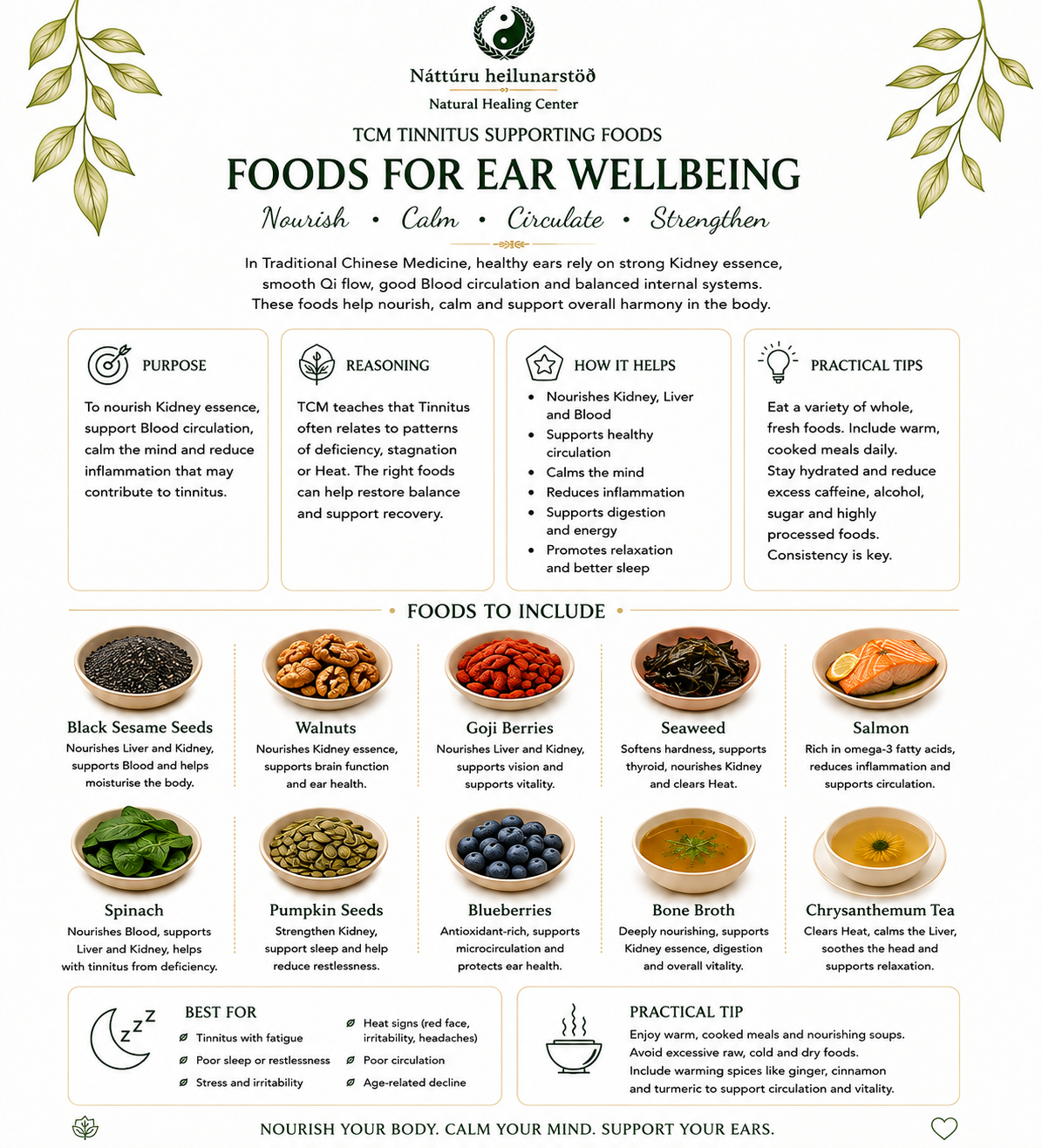
There isn't one universal "tinnitus diet" in Chinese Medicine.
Food recommendations should depend on the person's underlying pattern.
For somebody who is depleted and fatigued, the emphasis may be on regular, nourishing meals.
For somebody experiencing digestive weakness and Dampness, the emphasis may be different.
And somebody showing signs of Heat may need a different approach again.
This is why I am cautious about lists claiming that everybody with tinnitus should eat — or avoid — exactly the same foods.
Nourishing Foods
When someone shows a depleted pattern, meals may focus on good-quality, nutrient-dense foods such as:
eggs
fish
legumes
dark leafy vegetables
whole grains where tolerated
nuts and seeds
soups and stews
other balanced foods appropriate to the individual
The aim is not to find a magical food that "cures tinnitus."
It is to give the body consistent nutritional support.
Supporting Digestion
For people experiencing bloating, heaviness or digestive weakness, simple regular meals may be better tolerated than constantly grazing or relying heavily on highly processed foods.
Warm cooked meals are commonly used within Chinese dietary therapy when they suit the person's constitution and digestive pattern.
Again, food needs to match the person.
This would be an excellent place in the blog for a food image or a small "Foods to Support Nourishment" graphic.
Acupuncture and Tinnitus
Acupuncture treatment is also based on pattern differentiation.
Rather than using exactly the same points for every person with tinnitus, a practitioner considers factors such as:
whether the tinnitus is sudden or gradual
one ear or both
the character of the sound
stress
sleep
headaches
dizziness
digestion
energy levels
other accompanying symptoms
Local points around the ear may sometimes be combined with distal points elsewhere on the body according to the pattern being treated.
The goal within TCM is not simply to "needle the ear."
It is to address the broader presentation.
Chinese Herbal Medicine
Chinese herbal medicine follows the same principle.
There isn't one Chinese herbal formula that is appropriate for everybody with tinnitus.
A person showing depletion may require a very different strategy from somebody presenting with significant Heat, tension, digestive Dampness or another pattern.
This is why self-prescribing Chinese herbal formulas based purely on the symptom "tinnitus" is not something I recommend.
Herbs should be selected according to the individual and reviewed as the presentation changes.
A Gentle Qi Gong Practice for Ear Wellbeing
Chinese Medicine also includes practices that people can use themselves.
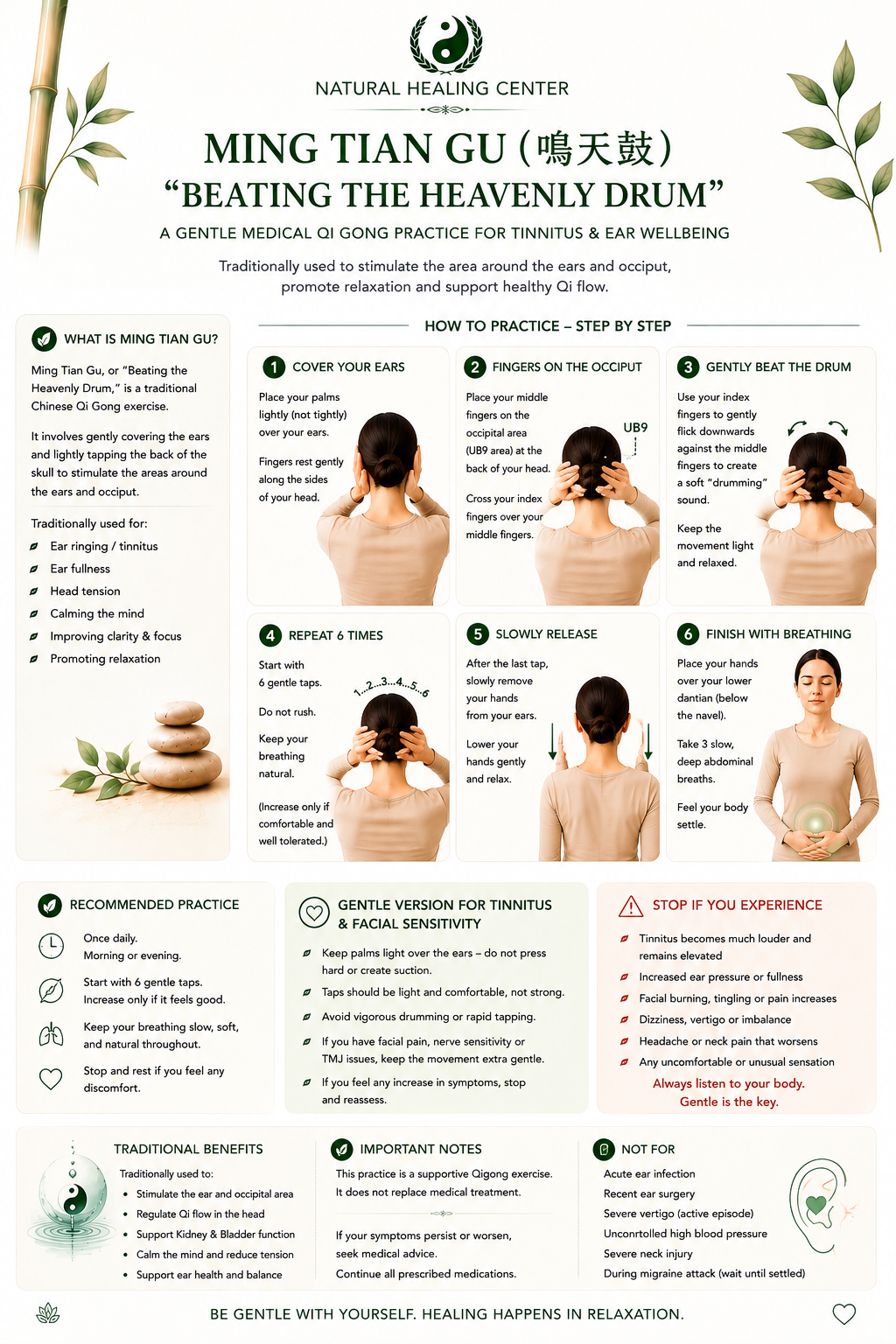
One traditional exercise is Ming Tian Gu (鳴天鼓), often translated as "Beating the Heavenly Drum."
It involves gently covering the ears and lightly tapping around the back of the skull/occipital region.
Traditionally, the exercise has been used as a gentle Qi Gong practice associated with the ears, head and relaxation.
The emphasis should be on gentleness.
It should never involve forceful pressure or vigorous tapping.
What Can You Do Yourself?
If tinnitus is part of a broader stress or depletion pattern, some of the most useful foundations are surprisingly simple.
Consider:
protecting your sleep
eating regular nourishing meals
avoiding constantly pushing through exhaustion
reducing unnecessary overstimulation
managing stress
supporting digestion
using gentle relaxation practices
protecting your ears from excessive noise
keeping movement appropriate and regular
The goal isn't to become obsessed with every symptom.
It is to create better conditions for the whole body to function and recover.
When Tinnitus Should Be Medically Assessed
This part is important.
Tinnitus should not automatically be assumed to be a Chinese Medicine imbalance.
There are medical causes of tinnitus that require proper assessment.
Seek medical advice if tinnitus is new, persistent, worsening or concerning.
More urgent medical assessment is particularly important for symptoms such as:
tinnitus that suddenly appears with hearing loss
tinnitus following a significant head injury
severe new dizziness or neurological symptoms
tinnitus that beats or pulses in time with your heartbeat
sudden significant changes affecting one ear
Chinese Medicine can be used as complementary support, but it should not replace appropriate hearing, ENT or medical investigation.
Chinese Medicine Looks at the Person, Not Just the Ear
This is perhaps the most important message.
If five people come to me with tinnitus, I may see five different patterns.
One person may be exhausted and depleted.
Another may be highly stressed and tense.
Another may have dizziness, heaviness and digestive symptoms.
Another may be navigating hormonal or age-related changes.
This is why Chinese Medicine asks about much more than the sound in your ears.
We look at:
energy
sleep
digestion
stress
emotions
headaches
dizziness
temperature
hormonal health
overall recovery
The ears are one part of a much larger system.
Final Thought
Tinnitus can be frustrating, particularly when it has persisted for a long time.
Traditional Chinese Medicine offers another way of looking at the symptom — not by assuming every case has the same cause, but by asking what else is happening in the body at the same time.
Is the person depleted?
Stressed?
Not sleeping?
Experiencing headaches?
Struggling with digestion?
Feeling dizzy or heavy?
Those accompanying signs help build the bigger picture.
Because in Chinese Medicine, we don't simply ask:
"How do we stop the ringing?"
We also ask:
"What pattern is this person's body showing us?"