
Ageing is inevitable.
But feeling completely depleted, losing our vitality, and simply accepting that every change in our health is “just getting older” is a different matter.
Traditional Chinese Medicine (TCM) has looked at ageing and longevity for thousands of years. Its philosophy is not about stopping ageing or trying to remain young forever.
It is about preserving what sustains us as we age.
That means paying attention to our deeper reserves, maintaining healthy Qi and Blood, supporting digestion, protecting sleep, keeping the body moving, nourishing the mind, and recognising signs of depletion before they become bigger problems.
In Chinese Medicine, healthy ageing is not something that suddenly becomes important when we reach 60 or 70.
It is something we build throughout our lives.
Longevity Is About More Than Living Longer
When we talk about longevity today, the conversation often revolves around lifespan.
How can we live longer?
Chinese Medicine asks a slightly different question:
How can we preserve function and vitality throughout the years we have?
Because longevity is not simply about adding years.
It is about maintaining as much as possible of our:
strength
mobility
mental clarity
independence
digestion
sleep
emotional wellbeing
resilience
ability to recover
enjoyment of life
This is why Chinese Medicine traditionally places so much emphasis on prevention and preservation, rather than waiting until the body is severely depleted before paying attention to it.
Ageing Begins Long Before We Feel “Old”
Chinese Medicine describes the body as changing through different stages of life.
We grow.
We mature.
Our reproductive and hormonal systems change.
Our recovery changes.
And eventually, some of the deeper resources that sustained us when we were younger naturally begin to decline.
One of the most important concepts for understanding this is Jing, usually translated as Essence.
What Is Jing?
In Traditional Chinese Medicine, Jing represents our deeper constitutional reserves.
It is traditionally associated with:
growth and development
reproduction
maturation
bones and marrow
ageing
constitutional strength
long-term vitality
Classical TCM theory closely connects Jing with the Kidney system and the ageing process. Modern research examining TCM theory likewise describes Kidney Essence as a central traditional concept relating to growth, development and age-related physiological change, although these concepts should not be confused with biomedical anatomy or established biological mechanisms.
You can think of Jing, in very simple terms, as part of the body's deeper reserve.
We don't want to waste those reserves unnecessarily.
Your Constitution Matters — But So Does How You Live
Chinese Medicine traditionally distinguishes between resources we inherit constitutionally and nourishment we continually receive throughout life.
This is important because healthy ageing isn't entirely predetermined.
We cannot change everything about our genetics, constitution or life circumstances.
But we can influence how we live.
Years of:
chronic stress
inadequate sleep
overwork
extreme dieting
inadequate nourishment
constantly pushing through exhaustion
repeated illness without adequate recovery
excessive physical strain
very little movement
can leave a person feeling increasingly depleted.
This is why longevity in Chinese Medicine is not really about finding one magical herb or supplement.
It is about how we use, protect and replenish ourselves over decades.
The Kidney System and Healthy Ageing
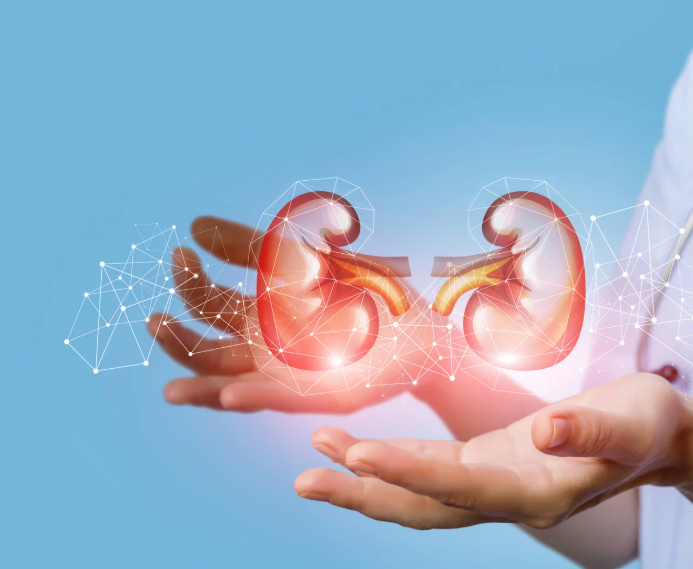
In Chinese Medicine, the Kidney system has a particularly important relationship with ageing.
But there is an important distinction:
When a Chinese Medicine practitioner talks about “Kidney deficiency,” we are not saying that somebody has kidney disease.
TCM organ systems are traditional functional concepts and are not identical to anatomical organs used in conventional medicine.
Within TCM theory, the Kidney system is traditionally associated with:
Jing
growth and development
reproduction
bones
hearing and the ears
lower back and knees
ageing and constitutional vitality
As people grow older, they may begin noticing changes in some of these areas.
For example:
reduced stamina
slower recovery
lower-back or knee weakness
changes in hearing
hair changes
hormonal and reproductive changes
changes in bone strength
TCM interprets the combination of these signs within the person's overall pattern rather than assuming that one symptom automatically means “Kidney deficiency.” Contemporary research into traditional East Asian medicine pattern identification in older adults has found deficiency patterns—including Kidney Essence and Qi-Blood deficiency—commonly reported, although the evidence is preliminary and diagnostic methods vary considerably.
But Longevity Is Not Just About the Kidneys
This is where Chinese Medicine becomes much more interesting.
Protecting our deeper reserves is important.
But we also need to continually create nourishment and energy today.
This brings us to the Spleen and Stomach.
In Chinese Medicine, digestion plays a central role in transforming food and drink into the Qi and nourishment that the body uses.
I like to describe this as:
Preserve the Root — Support the Daily Supply
Your deeper reserves matter.
But so does what you're giving your body every day.
If someone is eating poorly, struggling with digestion, sleeping badly and living under constant stress, focusing solely on “longevity herbs” misses the bigger picture.
Why Digestion Becomes Increasingly Important
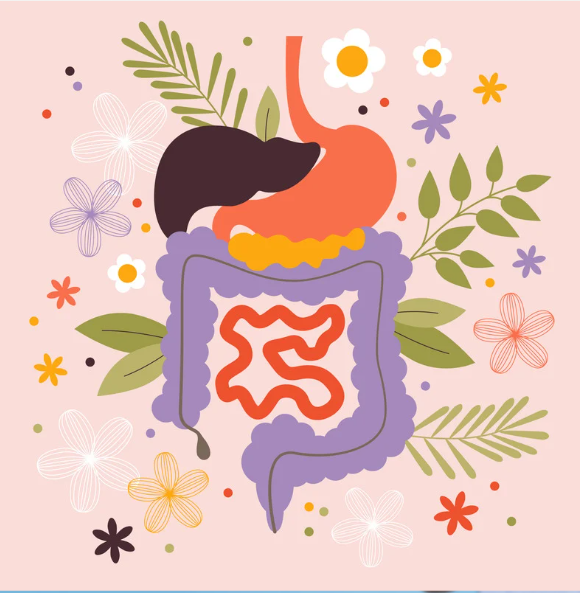
People sometimes think digestion only matters when they experience obvious gut symptoms.
Chinese Medicine looks at it much more broadly.
A person with weakened digestive function may experience:
bloating
fatigue after meals
heaviness
brain fog
loose stools
poor appetite
sugar cravings
sluggishness
difficulty maintaining energy
If the body is not being adequately nourished, maintaining strength and resilience becomes harder.
This is why I consider digestive health one of the foundations of healthy ageing.
We cannot continually rebuild the body without giving it the materials and conditions it needs.
Qi: Maintaining Energy, Function and Resilience
Another central concept is Qi.
Qi is difficult to translate into one English word because its meaning changes according to context.
For patients, I often explain it in terms of the body's functional energy and activity.
Healthy Qi is associated in TCM with the ability to:
remain active
digest effectively
recover
circulate and transform
maintain normal physiological functions
As we age, maintaining functional capacity becomes increasingly important.
This doesn't mean forcing ourselves to exercise harder or constantly “push through.”
Quite the opposite.
Chinese Medicine values the balance between activity and restoration.
We need enough movement to maintain function, but enough recovery to prevent continual depletion.
Blood: Nourishment Matters as We Age
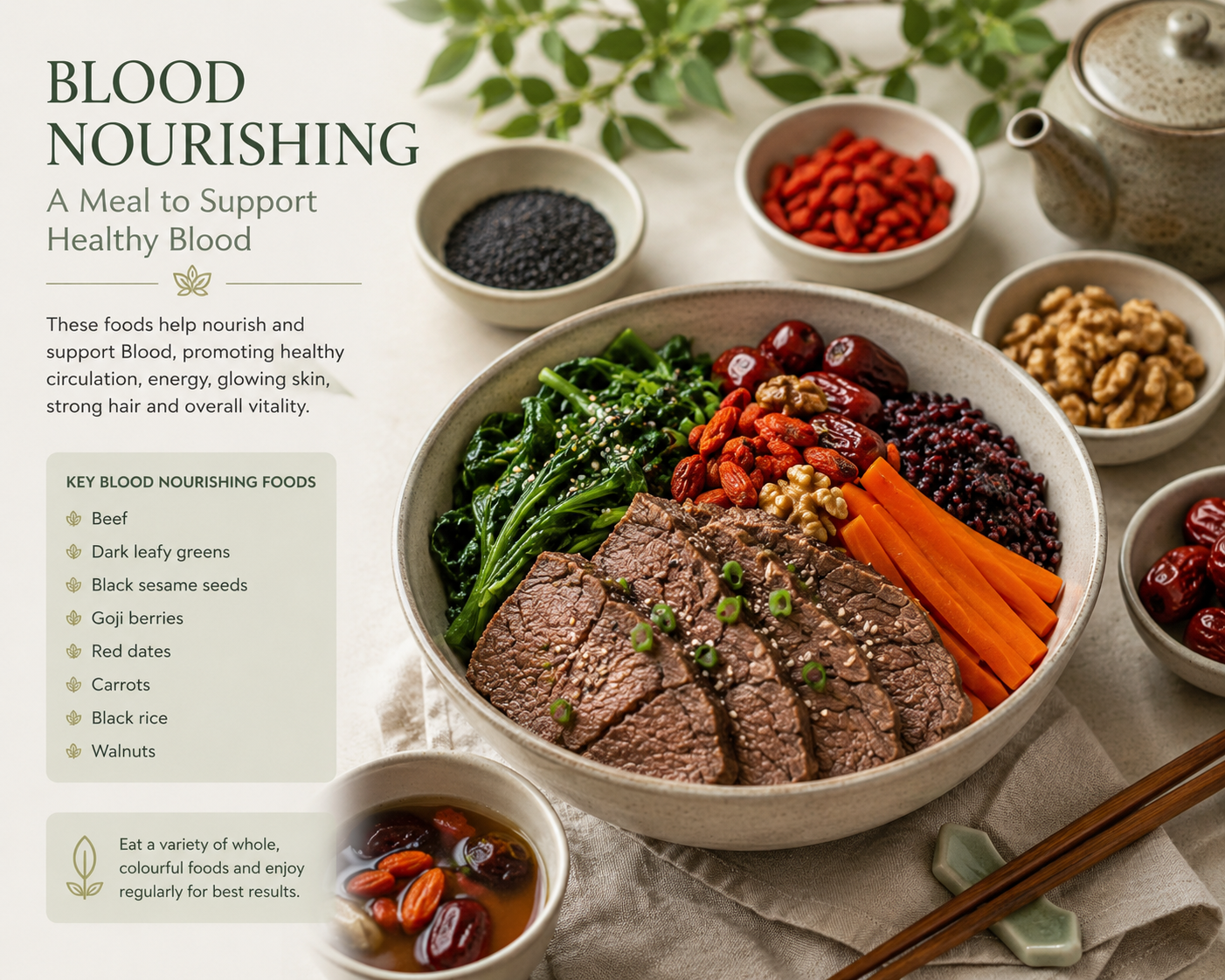
Blood in Chinese Medicine is another concept that extends beyond the biomedical definition of blood.
TCM Blood is associated with nourishment of tissues and support of physical and emotional function.
When practitioners identify a Blood-deficiency pattern, a person may experience combinations such as:
fatigue
dizziness
dry skin
brittle nails
hair thinning
poor concentration
disturbed sleep
feeling depleted
This is why seemingly cosmetic changes can sometimes be useful clues within a broader Chinese Medicine assessment.
A brittle nail is not a diagnosis.
Dry skin is not a diagnosis.
Hair thinning is not a diagnosis.
But when several signs occur together, they may help us understand the person's wider pattern.
Yin: The Body's Nourishing and Restorative Aspect
Another important concept as we age is Yin.
Yin is associated with nourishment, cooling, moisture, restoration and substance.
People showing a Yin-deficiency pattern may experience combinations such as:
dryness
feeling warmer later in the day or at night
night sweating
dry mouth or throat
restless sleep
tinnitus
feeling tired but unable to settle
warm palms or soles
This can become particularly relevant during hormonal transitions such as perimenopause and menopause.
But again, not every person becomes Yin deficient as they age.
Pattern differentiation matters.
Yang: Maintaining Warmth and Function
Other people age very differently.
Rather than becoming warm and restless, they increasingly experience:
cold hands and feet
feeling cold easily
low energy
sluggishness
low motivation
weakness
slower digestion
difficulty warming up
Chinese Medicine may interpret some presentations through Qi or Yang deficiency.
Yang represents the warming, activating and functional aspect of the body within TCM theory.
This is precisely why there cannot be one universal “anti-ageing” treatment.
One person may need nourishment and cooling.
Another may need warmth and functional support.
Another may have both deficiency and stagnation.
Healthy ageing has to be individual.
Movement Is Part of Longevity
Rest matters.
But longevity is not about becoming increasingly sedentary.
The body needs movement.
Chinese Medicine places great importance on maintaining the smooth movement of Qi and Blood.
Appropriate movement may include:
walking
mobility exercises
strength training appropriate to ability
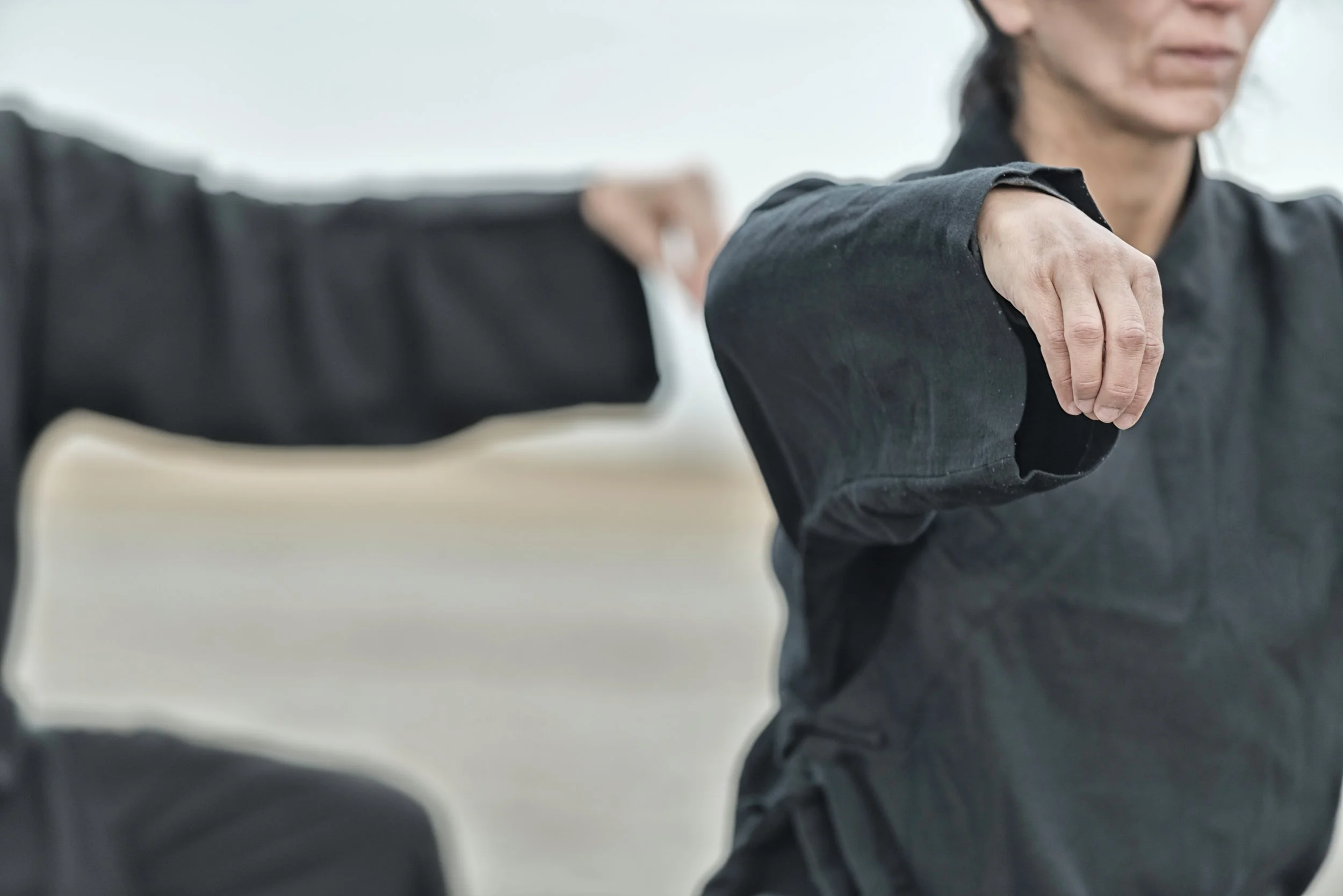
Tai Chi
Qi Gong
yoga
swimming
gardening
simply remaining physically engaged in everyday life
The key is finding the appropriate level.
Too little movement can contribute to stagnation and physical decline.
But excessive exercise without adequate recovery can also become another form of depletion.
There is a middle ground.
Modern evidence also supports movement as part of healthy ageing. For example, research reviewed by the U.S. National Center for Complementary and Integrative Health suggests Tai Chi may improve balance and stability in older adults, while also having potential quality-of-life benefits.
Shen: Healthy Ageing Includes the Mind and Spirit
Chinese Medicine does not separate physical health completely from emotional wellbeing.
This brings us to Shen.
Shen is often translated as “Spirit,” but it encompasses aspects of consciousness, emotional wellbeing, mental presence and our ability to engage with life.
Healthy ageing therefore isn't simply about maintaining perfect blood tests or physical strength.
It also includes:
meaningful relationships
emotional connection
purpose
mental stimulation
restorative sleep
periods of quiet
enjoyment
curiosity
feeling connected to the world around us
Someone can spend enormous amounts of energy trying to optimise every biological marker while forgetting to actually enjoy their life.
That isn't the kind of longevity Chinese Medicine ultimately encourages.
Sleep Is One of Our Greatest Forms of Restoration
One of the simplest ways we support ourselves is also one of the most neglected:
sleep.
Sleep gives the body time to recover.
Yet many people spend years functioning on insufficient sleep while relying on caffeine, sugar and adrenaline to keep going.
Eventually they may notice:
exhaustion
brain fog
irritability
increased cravings
poorer recovery
difficulty concentrating
reduced resilience
From a Chinese Medicine perspective, continually borrowing energy without allowing adequate restoration is not a sustainable longevity strategy.
Sometimes supporting longevity is less about adding another supplement and more about giving the body permission to recover.
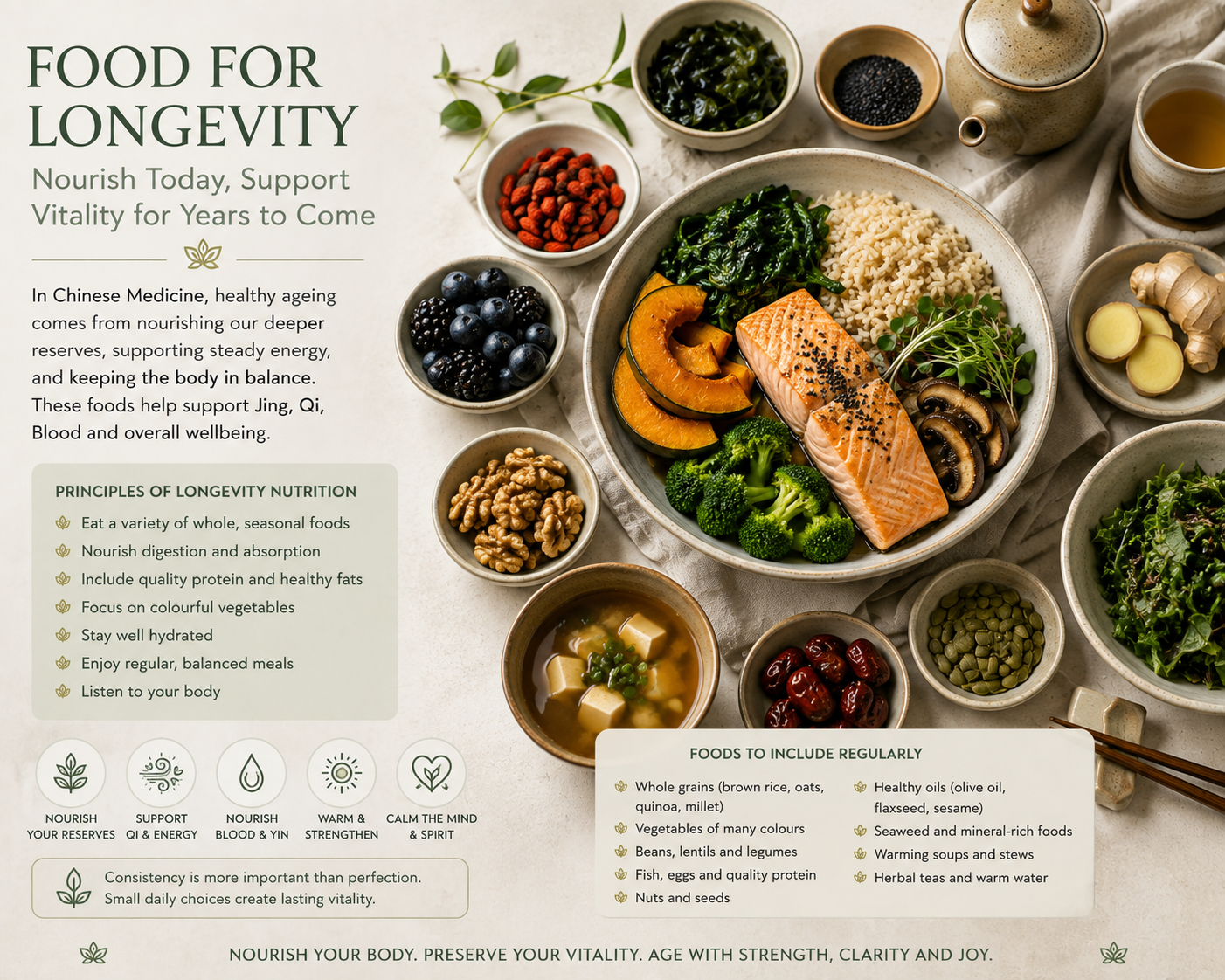
Food and Healthy Ageing in Chinese Medicine
There is no single Chinese Medicine “longevity diet.”
And there certainly isn't one magical anti-ageing food.
Chinese dietary therapy considers the person's:
constitution
digestion
current symptoms
climate
age
activity
overall pattern
But there are useful principles.
Nourish Consistently
A healthy ageing diet should provide adequate nourishment rather than constantly restricting the body.
Depending on the individual, meals may include foods such as:
eggs
fish
good-quality proteins
legumes
dark leafy vegetables
colourful vegetables
whole grains where tolerated
nuts and seeds
healthy fats
soups and stews
seasonal foods
Supporting Qi and Digestion
Foods commonly used as gentle nourishment in Chinese dietary therapy include:
rice
oats
sweet potato
squash
carrots
cooked vegetables
chicken
soups
stews
For people with weaker digestion, warm cooked meals may sometimes be easier to tolerate than large amounts of cold or raw food.
Nourishing Blood and Yin
Depending on the person's pattern, foods traditionally selected for nourishment may include:
eggs
fish
dark leafy vegetables
legumes
black sesame seeds
berries
nuts and seeds
Food should still be nutritionally balanced and appropriate to the individual rather than selected solely because a food has a particular TCM classification.
Longevity Is Also About What We Stop Taking Away
This may be one of the most overlooked parts of healthy ageing.
People constantly ask:
What should I take?
Which supplement?
Which herb?
Which superfood?
But sometimes a better question is:
What is continually draining me?
The habits that quietly erode our ability to recover can include:
chronic sleep deprivation
prolonged unmanaged stress
overworking without recovery
extreme dieting
inadequate nutrition
smoking
excessive alcohol
physical inactivity
excessive training without recovery
constantly ignoring exhaustion
Longevity isn't only about what we add.
Sometimes it is about what we stop repeatedly taking away.
What About Chinese Herbal Medicine?
Chinese herbal medicine has a long history of formulas traditionally used for deficiency, nourishment and age-related patterns.
But there is an important principle:
There is no universal Chinese herbal longevity formula.
A person showing Yin deficiency should not automatically receive the same treatment as somebody showing Yang deficiency.
Likewise, someone with:
Qi deficiency
Blood deficiency
Dampness
Heat
stagnation
digestive weakness
may require a very different approach.
This is why I do not recommend choosing a Chinese herbal formula simply because it is advertised as “anti-ageing” or “longevity support.”
Chinese herbal medicine is traditionally based on pattern differentiation.
Herbs can also cause adverse effects, interact with medicines, and vary in quality; reputable safety guidance recommends discussing herbal products with healthcare professionals when you have a medical condition or take medication.
What About Acupuncture?
Acupuncture can also form part of a broader Chinese Medicine approach.
Treatment is individualised according to what the person is experiencing rather than treating “ageing” itself.
Someone seeking support for:
sleep
stress
musculoskeletal discomfort
headaches
tension
may receive a very different treatment from somebody with another presentation.
Modern research supports acupuncture for some pain conditions, including certain back, neck, knee and headache presentations, but evidence varies considerably depending on the condition.
Acupuncture should therefore be viewed as one possible component of supportive care—not as a method of stopping biological ageing.
Qi Gong, Tai Chi and the Art of Moving Without Exhausting
One reason I particularly like gentle Chinese movement practices is that they fit beautifully into the longevity philosophy.
Qi Gong and Tai Chi combine elements of:
movement
breathing
awareness
balance
coordination
relaxation
They encourage the body to move without necessarily exhausting it.
For someone who has spent decades believing exercise only “counts” if it is hard, sweaty and exhausting, this can be a completely different way of thinking about movement.
As we age, maintaining balance, mobility, strength and confidence in movement becomes increasingly valuable.
Tai Chi has been studied particularly in older populations, with evidence suggesting benefits for balance and stability.
Pay Attention to the Small Signs
One of the principles running through Chinese Medicine is observation.
The body often gives us information gradually.
Perhaps you notice:
you're not recovering as quickly
your sleep has changed
you're constantly tired
your digestion isn't what it used to be
your hair is becoming thinner
your skin is becoming drier
your hands and feet are always cold
your joints feel stiffer
your concentration isn't as sharp
you're relying increasingly on caffeine or sugar
you simply don't have the resilience you once had
None of these symptoms automatically means something serious is wrong.
And they should not simply be attributed to a TCM pattern without appropriate medical assessment where necessary.
But they are worth listening to.
The goal isn't to become anxious about every change.
It is to become more aware of what your body is telling you.
Healthy Ageing Is Personal
Two people can be the same age and have completely different needs.
One may be active and energetic but struggle with sleep and feeling overheated.
Another may feel cold, exhausted and depleted.
Another may have excellent energy but struggle with stiffness and mobility.
Another may be physically strong but living under enormous emotional stress.
This is why Chinese Medicine doesn't have one universal longevity prescription.
We look at the person.
Their constitution.
Their digestion.
Their sleep.
Their energy.
Their emotional wellbeing.
Their movement.
Their diet.
Their current symptoms.
And how all of those pieces fit together.
Longevity Is Not About Refusing to Age
Ageing is not a disease.
And healthy ageing does not mean trying to make a 70-year-old body behave as though it were 25.
There is something much more meaningful we can aim for.
Preserve what can be preserved.
Nourish what has become depleted.
Keep moving.
Protect sleep.
Eat well.
Allow recovery.
Stay connected.
Keep the mind engaged.
Pay attention when the body begins asking for support.
The goal isn't simply to live longer.
It is to maintain as much vitality, independence, clarity, mobility and connection as possible throughout the life we have.
And perhaps that is one of the most valuable lessons Chinese Medicine offers about longevity:
Don't wait until you feel old to start caring for how you want to age.
Medical Note
Traditional Chinese Medicine is a complementary healthcare system and should not replace appropriate medical assessment, diagnosis or treatment. New, persistent or unexplained symptoms should be discussed with an appropriate healthcare professional. If you take prescription medicines or have an existing medical condition, seek professional advice before using Chinese herbal medicines.