
Can Your Emotions Affect Your Physical Health? What Chinese Medicine and Modern Science Tell Us
Have you ever noticed how your body responds to your emotions?
Perhaps your stomach becomes unsettled when you're worried. Your shoulders tighten when you're frustrated. Your breathing changes when you're anxious, or you feel physically exhausted after a period of grief.
These experiences remind us that emotional and physical wellbeing are closely connected.
Traditional Chinese Medicine (TCM) has recognised this relationship for thousands of years. Rather than viewing the mind and body as completely separate, Chinese medicine considers how emotions, physical symptoms, lifestyle and overall health may influence one another.
Interestingly, modern medicine also recognises important connections between emotional experiences and physiological processes, particularly through the nervous system, stress hormones, immune signalling and the gut–brain axis.
Although the two medical traditions explain these relationships differently, both offer valuable perspectives on how emotional wellbeing can influence physical health.

Have you ever noticed how your body responds to your emotions?
The Mind–Body Connection: What Happens When We Experience Emotions?
Emotions are a normal and essential part of being human.
Fear helps us recognise danger. Anger can alert us to boundaries being crossed. Sadness allows us to process loss, while joy contributes to connection and wellbeing.
Experiencing these emotions does not mean something is wrong with our health.
However, when emotional distress becomes intense, prolonged or difficult to manage, it can influence how our bodies function.
For example, during periods of stress, the sympathetic nervous system may become more active, preparing the body to respond to a perceived challenge.
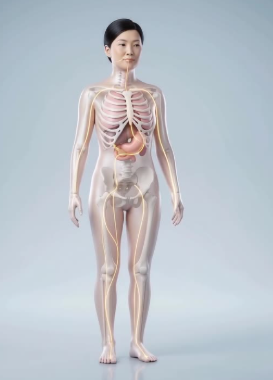
This response can involve:
Increased heart rate and changes in breathing
Muscle tension, particularly around the neck and shoulders
Changes in digestion and bowel habits
Difficulty falling asleep or maintaining sleep
Altered concentration and mental clarity
Feelings of fatigue or exhaustion
The hypothalamic–pituitary–adrenal (HPA) axis also helps coordinate the body's stress response, including the release of cortisol.
These mechanisms are essential for adapting to challenges. Problems may arise when stress responses remain activated or recovery is repeatedly interrupted.
The important point is that emotions are not simply experiences in the mind. They are accompanied by measurable changes throughout the body.
How Traditional Chinese Medicine Understands Emotions
In Chinese medicine, emotional wellbeing is closely associated with the movement of Qi, the functioning of the Zang-Fu organ systems, and the balance of Yin and Yang.
Qi is a traditional concept describing aspects of the body's functional activity and movement. It should not be confused with a scientifically established form of measurable energy.
TCM describes five principal Yin organ systems, each traditionally associated with particular emotional experiences.
These are:
Liver — anger and frustration
Heart — joy and excessive excitement
Spleen — worry and overthinking
Lungs — grief and sadness
Kidneys — fear
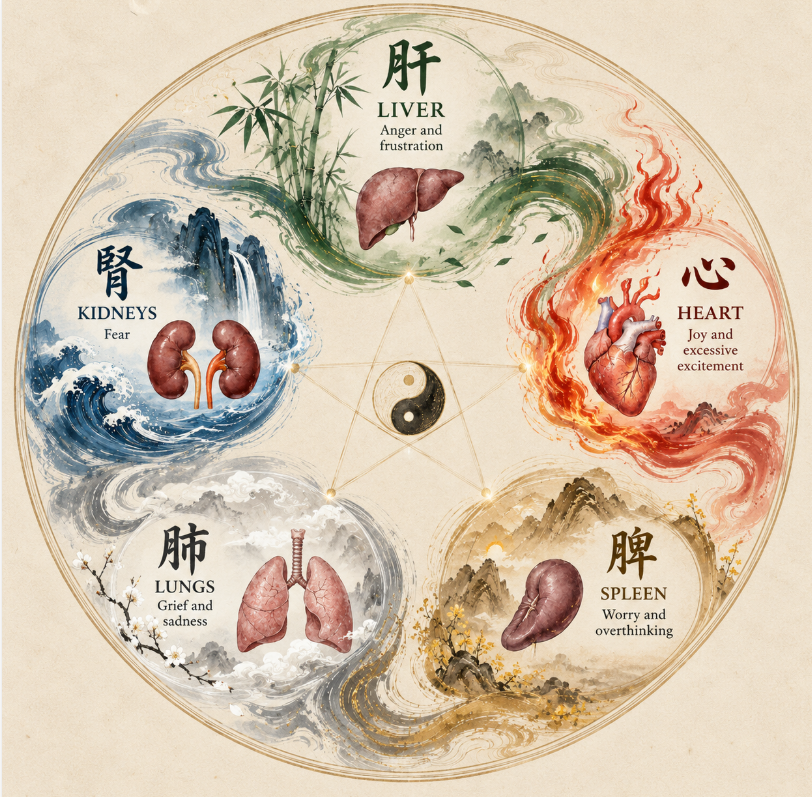
These associations form part of the traditional Five Element framework.
Importantly, the organ systems described in Chinese medicine are not identical to the anatomical organs recognised in modern medicine.
For example, when a Chinese medicine practitioner discusses Liver Qi stagnation, this does not necessarily indicate liver disease or abnormal liver function tests.
Instead, it describes a traditional pattern that may include emotional tension, irritability, digestive discomfort or other symptoms.
Let's explore these five emotional relationships and where modern physiology offers useful parallels.
1. The Liver: Anger, Frustration and Emotional Tension
In Traditional Chinese Medicine, the Liver system is associated with maintaining the smooth movement of Qi.
When someone experiences prolonged frustration, emotional suppression or persistent stress, TCM may describe a pattern known as Liver Qi stagnation.
Traditionally associated symptoms may include:
Irritability or frustration
Tightness across the shoulders and neck
Tension headaches
A sensation of tightness in the chest
Digestive discomfort during stressful periods
Menstrual discomfort in some individuals
What Does Modern Medicine Tell Us?
Stress and anger can activate the autonomic nervous system, influencing muscle tension, cardiovascular responses and digestive function.
For some people, stressful situations may also contribute to tension-type headaches or worsen existing headache disorders.
The modern physiological explanation differs from Liver Qi stagnation, but both perspectives acknowledge that emotional stress and physical tension can occur together.
This does not mean anger causes liver damage. It means emotional experiences can influence physical responses through established biological pathways.
2. The Lungs: Grief, Sadness and Breathing
Chinese medicine traditionally associates the Lung system with grief and sadness.
The Lungs are described as playing a role in Qi regulation and the body's relationship with breathing and the external environment.
Following a significant loss, some people experience:
Changes in breathing patterns
Tightness in the chest
Fatigue or reduced motivation
Changes in sleep
A sense of heaviness or emotional exhaustion
In TCM, prolonged grief may be considered when evaluating a person's overall pattern of health.
What Does Modern Medicine Tell Us?
Grief is a complex psychological and physiological experience.
Bereavement can affect sleep, appetite, concentration and stress-related biological processes.
Emotional distress may also change breathing patterns, sometimes leading to shallow or rapid breathing.
Breathing exercises and gentle movement may help some people manage stress-related symptoms, although they do not replace psychological support or medical care when needed.
Grief itself is not an illness. It is a natural response to loss, and there is no single correct timeline for experiencing it.
3. The Spleen: Worry, Overthinking and Digestion
Have you ever lost your appetite before an important event?
Or experienced bloating, nausea or changes in bowel habits during a stressful period?
Chinese medicine traditionally associates excessive worry and repetitive thinking with the Spleen system.
In TCM, the Spleen is understood to play an important role in the transformation and transportation of food and fluids.
A pattern described as Spleen Qi deficiency may include:
Tiredness or low energy
Bloating after meals
Poor appetite
Loose stools
Difficulty concentrating
A tendency towards excessive worry
These symptoms are not sufficient to establish a TCM diagnosis on their own.
What Does Modern Medicine Tell Us?
One of the most interesting areas of research is the gut–brain axis.
The digestive system and central nervous system communicate through multiple pathways, including neural, hormonal and immune mechanisms.
The gut microbiome may also participate in this communication, although research into its clinical implications is still developing.
Stress can influence gastrointestinal motility, sensitivity and digestive symptoms.
This is particularly relevant to disorders of gut–brain interaction, such as irritable bowel syndrome (IBS), where psychological stress may worsen symptoms in some individuals.
The TCM Spleen concept and the modern gut–brain axis are not scientifically equivalent, but they offer an interesting opportunity to discuss the relationship between emotional experiences and digestion.
4. The Kidneys: Fear, Stress and Our Sense of Security
In Chinese medicine, the Kidney system is associated with fear and the storage of Jing, traditionally translated as Essence.
Jing is a classical concept relating to constitution, development, reproduction and ageing. It is not a substance that can be directly measured through modern laboratory testing.
Fear and prolonged insecurity are traditionally considered in the assessment of Kidney-related patterns.
What Does Modern Medicine Tell Us?
Fear activates biological systems designed to protect us from danger.
These include the sympathetic nervous system and the HPA axis.
During a fear response, a person may experience:
Increased alertness
Faster heartbeat
Changes in breathing
Muscle tension
Sweating
Digestive changes
Difficulty relaxing or sleeping
When someone experiences ongoing stress or anxiety, these responses may occur more frequently and contribute to fatigue or sleep disruption.
However, there is no established scientific evidence that fear directly depletes the kidneys or causes Kidney Essence deficiency as understood in TCM.
The useful connection is the recognition that persistent fear and stress can influence overall physiological wellbeing.
5. The Heart: Joy, Emotional Excitement and Shen
In Chinese medicine, the Heart is traditionally described as housing the Shen.
Shen is often translated as mind or spirit and encompasses aspects of consciousness, emotional experience and mental activity within classical Chinese medicine.
The Heart is associated with joy, but TCM also describes excessive excitement or emotional overstimulation as potentially disturbing the Shen.
Traditional Heart-related patterns may include sleep disturbance, restlessness or palpitations, depending on the wider clinical presentation.
What Does Modern Medicine Tell Us?
Emotional arousal, whether pleasant or unpleasant, can influence the autonomic nervous system.
Excitement may temporarily increase heart rate and alertness, while relaxation and feelings of safety can support the transition towards rest.
Sleep is particularly sensitive to emotional and physiological arousal.
Persistent worry, overstimulation and irregular routines may contribute to difficulty falling asleep.
However, positive emotions and joy are generally beneficial to wellbeing. The traditional concept of excessive joy should not be interpreted as suggesting that happiness is harmful.
Can Emotions Actually Make Us Physically Unwell?
The relationship between emotional distress and physical health is complex.
Research supports associations between chronic stress and a range of physiological processes, including cardiovascular regulation, sleep, immune function and gastrointestinal activity.
However, this does not mean every illness is caused by emotions.
Genetics, infections, environmental exposures, nutrition, lifestyle, medications and many other factors influence health.
It is equally important not to assume that persistent physical symptoms are simply the result of stress.
For example, ongoing digestive changes, chest discomfort, unexplained fatigue or recurrent headaches may require medical assessment.
Recognising the mind–body connection should help us understand health more fully, not encourage us to overlook underlying medical conditions.
How Chinese Medicine Approaches Emotional and Physical Wellbeing
One of the defining features of Traditional Chinese Medicine is its individualised approach.
Rather than considering a symptom in isolation, a practitioner may explore several aspects of a person's health.
These can include:
Sleep quality and daily energy
Digestion and bowel habits
Emotional wellbeing and stress
Menstrual or hormonal patterns, where relevant
Physical discomfort and muscle tension
Lifestyle, nutrition and recovery
Tongue and pulse findings within the traditional diagnostic framework
The aim is to identify patterns that may help guide an individualised treatment plan.
Depending on the person's needs, this may involve acupuncture, Chinese herbal medicine, dietary guidance, Qigong or other supportive approaches.
Evidence for these interventions varies by treatment and health condition. They should not be presented as proven treatments for all emotional or physical disorders.
Chinese medicine may be used as a complementary approach alongside appropriate conventional healthcare.
Five Gentle Ways to Support Your Mind–Body Wellbeing
Whether you are experiencing a demanding period at work, emotional stress or simply feeling overwhelmed, small daily practices may help support recovery.
1. Take regular breathing breaks
Pause for a few minutes and allow your breathing to become gentle and comfortable. Avoid forcing unusually deep breaths.
2. Include movement throughout your day
Walking, stretching or gentle Qigong can help reduce prolonged sitting and may support relaxation and physical comfort.
3. Protect your sleep routine
Aim for consistent sleeping and waking times, particularly during stressful periods.
4. Give yourself time to eat
Where possible, step away from your screen, slow down and allow time for regular meals.
5. Recognise when additional support is needed
If stress, anxiety, grief or physical symptoms are affecting daily life, seek appropriate professional guidance.
These practices are not intended to eliminate normal emotions. Instead, they can help create opportunities for rest, recovery and self-care.
Final Thoughts: Your Emotions and Your Body Are Connected
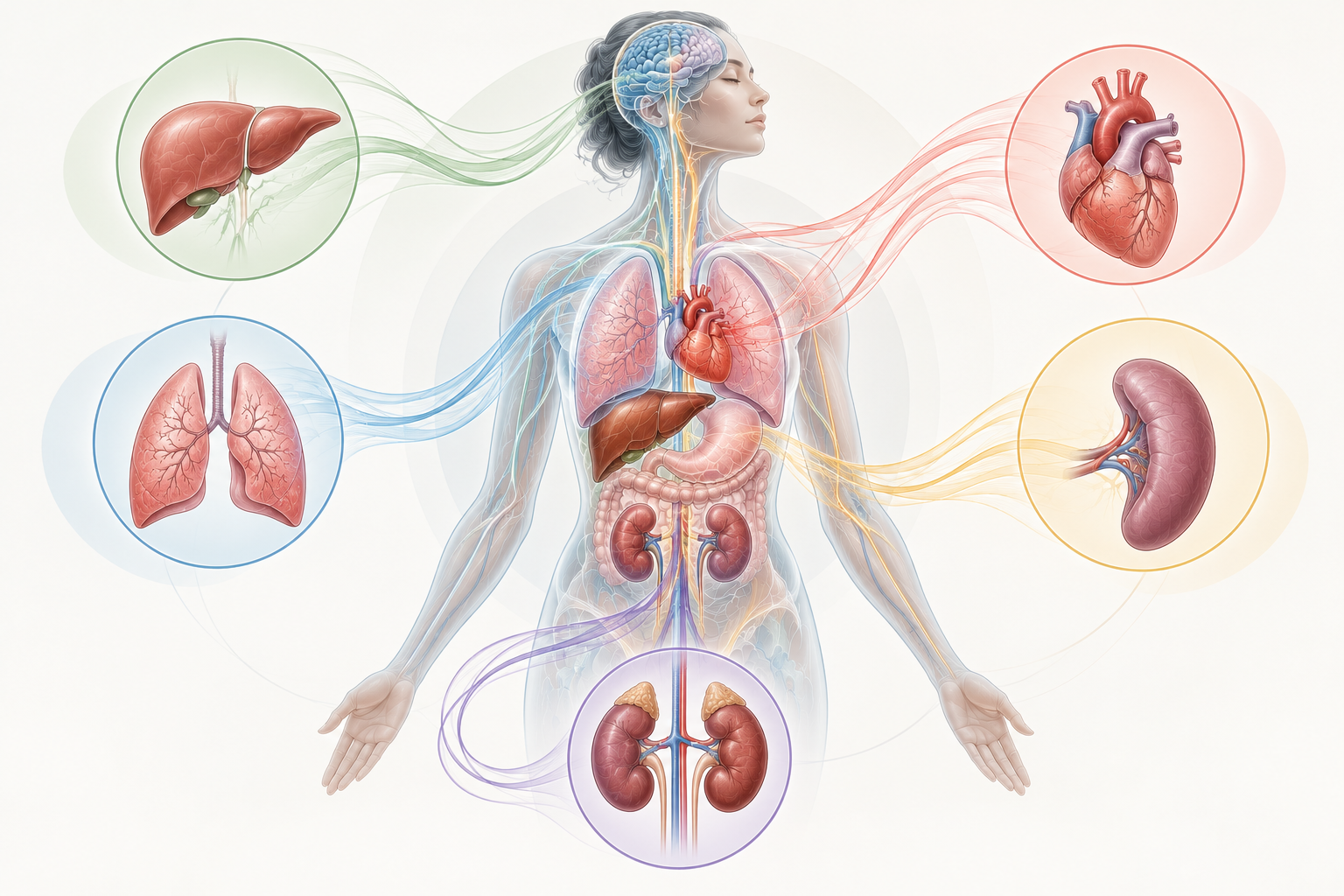
Traditional Chinese Medicine has long considered emotional experiences an important part of understanding health.
Modern research provides a different framework, showing how the nervous system, hormones, immune signalling and digestive processes interact with psychological wellbeing.
Although traditional organ–emotion associations should not be interpreted as established anatomical relationships, they can offer a useful starting point for reflecting on the ways we experience stress, grief, fear, worry and excitement.
The goal is not to avoid difficult emotions or strive for constant happiness.
It is to recognise how our bodies respond to life's challenges and to develop healthier ways of supporting ourselves.
Sometimes, caring for physical health also means making space for emotional wellbeing.
Supporting Your Wellbeing at Natural Healing Center
At Natural Healing Center, we take an individualised approach to health, combining Traditional Chinese Medicine principles with an appreciation of modern healthcare and the importance of safe, coordinated care.
Our consultations consider the wider picture of your health, including sleep, digestion, energy, physical symptoms and emotional wellbeing.
Where appropriate, acupuncture, Chinese herbal medicine and supportive lifestyle guidance may form part of your individual care plan.
Interested in exploring a more personalised approach to your wellbeing?
Visit Natural Healing Center to learn more about our individual and corporate services and consultations online and in Reykjavík.
Medical disclaimer: This article is for general educational purposes and does not provide a medical diagnosis or replace advice from a qualified healthcare professional. Traditional Chinese Medicine concepts are presented as traditional explanatory frameworks, not as established biomedical mechanisms. Seek appropriate medical or mental health support for persistent, severe or concerning symptoms.